
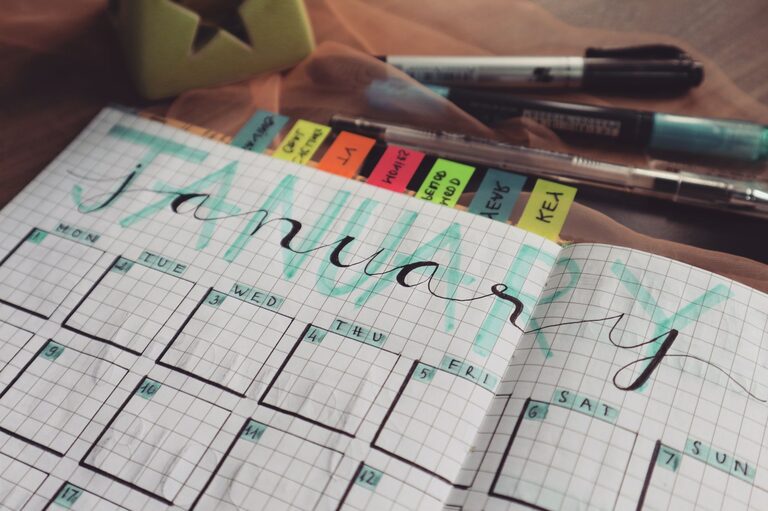
Taking time off to unwind is essential for our well-being, but sometimes weekends can feel as busy and stressful as the workweek. If you want to enjoy true relaxation and come back feeling refreshed, planning a no-stress weekend is key. This guide will walk you through easy steps to create a calm, enjoyable weekend without the usual rush or overwhelm.
Why Plan a No-Stress Weekend?
It may sound counterintuitive to plan relaxation, but a little preparation can make all the difference. Without a plan, weekends can get filled with last-minute errands, chores, or social obligations that leave you drained instead of energized. Having a simple plan helps you prioritize rest and fun, so you can recharge both physically and mentally.
Step 1: Set Your Intentions
Before the weekend arrives, take a moment to think about what a no-stress weekend means to you. Do you want to relax at home, spend time outdoors, or enjoy quiet hobbies? Setting your intentions helps you focus on what matters most and say no to anything that might disrupt your peace.
– Write down your top 3 goals for the weekend (e.g., read a book, take a long walk, enjoy a homemade meal).
– Keep your list visible as a reminder to stick to your plan.
Step 2: Clear Your Schedule
One of the biggest causes of weekend stress is feeling overscheduled. Take control by:
– Checking your calendar for appointments or commitments.
– Cancelling or postponing non-essential tasks.
– Leaving large blocks of free time for spontaneous relaxation.
Remember, it’s okay to say no. Setting boundaries protects your downtime.
Step 3: Prepare in Advance
A little prep work before the weekend lets you focus on relaxing once it’s here.
– Meal Planning: Choose simple recipes or prep meals ahead of time to avoid rushing in the kitchen.
– Tidying Up: Do a quick clean-up on Friday evening so you return to a calm environment.
– Packing Bags: If you plan to go out or visit a park, pack your bag with essentials the day before.
Planning these small details reduces last-minute stress.
Step 4: Create a Relaxing Environment
Your surroundings greatly affect your mood. Transform your space into a stress-free zone by:
– Decluttering common areas.
– Adding cozy touches like soft blankets or candles.
– Playing soothing music or nature sounds.
– Adjusting lighting to be warm and inviting.
Making your space comfortable encourages relaxation.
Step 5: Limit Technology Use
Phones, email, and social media can stress us out, even on weekends. Try setting boundaries such as:
– Turning off work notifications.
– Designating specific times to check messages.
– Taking technology-free breaks to disconnect fully.
Reducing screen time helps your mind rest.
Step 6: Plan Low-Key Activities
Choose activities that promote calm and enjoyment rather than adding pressure. Some ideas include:
– Reading your favorite book or magazine.
– Taking a leisurely walk in nature.
– Practicing gentle yoga or stretching.
– Enjoying a hobby like painting, knitting, or cooking.
– Spending quality time with loved ones without distractions.
Avoid scheduling too many activities—less is more.
Step 7: Prioritize Self-Care
Use your weekend to nourish your body and mind. Consider:
– Taking a long bath or shower.
– Doing a mindfulness or meditation practice.
– Getting enough sleep by sticking to a consistent bedtime.
– Drinking plenty of water and eating nourishing foods.
Self-care helps reduce stress hormone levels and promotes well-being.
Step 8: Embrace Spontaneity
While planning is important, leave room for flexibility. Some of the most memorable and relaxing moments come from unplanned enjoyment.
– If you feel like watching a movie or just sitting outside and daydreaming, go for it.
– Don’t be afraid to change your plans if something else feels right in the moment.
Balance structure with freedom for the best weekend experience.
Step 9: Reflect and Adjust
At the end of the weekend, take a few minutes to reflect:
– What activities helped you relax the most?
– Was anything stressful or overwhelming?
– What changes can you make next time to improve your no-stress weekend?
Use your reflections to fine-tune your approach for even better weekends ahead.
—
Final Thoughts
Planning a no-stress weekend doesn’t have to be complicated. With simple steps—setting clear intentions, clearing your schedule, preparing in advance, creating a peaceful environment, limiting technology, choosing relaxing activities, prioritizing self-care, and allowing spontaneity—you can make your weekends truly restorative. Give yourself permission to slow down and enjoy the moments of rest you deserve.
Your next no-stress weekend is just a plan away!