
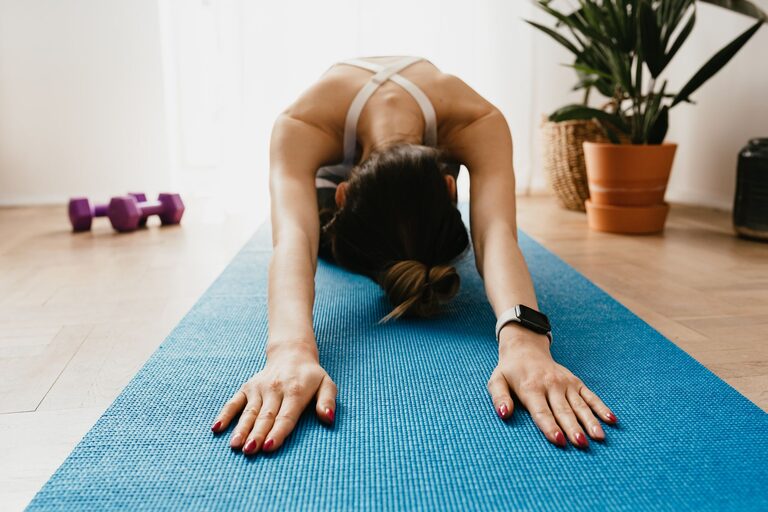
Stretching is a simple yet powerful practice that can improve your flexibility, reduce muscle stiffness, and promote a sense of relaxation. If you’re new to stretching or looking for easy routines to do at home, this beginner’s guide will walk you through everything you need to get started safely and effectively.
Why Stretch at Home?
Stretching doesn’t require special equipment or a gym membership. Doing it at home offers several benefits:
– Convenience: Stretch anytime, fitting it into your schedule.
– Cost-effective: No need for expensive tools or classes.
– Comfort: Stretch in your preferred space at your own pace.
– Improved flexibility and mobility: Helps your body stay limber for daily tasks.
– Reduced risk of injury: Prepares muscles and joints for physical activity.
Understanding the Basics of Stretching
Before you begin, it’s important to understand two main types of stretches:
Static Stretching
This involves holding a stretch position for 15-60 seconds without movement. It’s great for cooling down or relaxing muscles, helping to increase flexibility over time.
Dynamic Stretching
In contrast, dynamic stretches involve moving parts of your body through a full range of motion, usually as part of a warm-up to prepare muscles for activity.
For beginners, starting with basic static stretches can help you build awareness and control.
How to Prepare for Stretching
– Wear comfortable clothing: Choose stretchy, breathable fabric.
– Create a safe space: Clear an area where you won’t be disturbed.
– Warm-up briefly: Do light walking or marching in place for 3-5 minutes to increase blood flow.
– Use a yoga mat or towel: This adds cushioning and prevents slipping.
Top Beginner’s Stretches to Try at Home
Here are some easy stretches covering major muscle groups. Hold each static stretch for 20-30 seconds and repeat 2-3 times on each side as applicable.
1. Neck Stretch
– Sit or stand tall.
– Slowly tilt your head toward your right shoulder until you feel a stretch on the left side of your neck.
– Hold, then switch sides.
2. Shoulder Stretch
– Bring your right arm across your chest.
– Use your left hand to gently press your right arm closer to your chest.
– Hold, then switch arms.
3. Chest Opener
– Clasp your hands behind your back.
– Straighten your arms and lift your chest gently.
– Keep your shoulders down and back.
4. Seated Forward Bend
– Sit on the floor with legs extended.
– Gently reach toward your toes while keeping your back straight.
– Only reach as far as comfortable.
5. Cat-Cow Stretch (Spine Mobility)
– Get on all fours with hands below shoulders and knees below hips.
– Arch your back upward (cat), tucking your chin toward your chest.
– Then dip your back downward (cow), lifting your head and tailbone.
– Repeat this movement slowly 5-10 times.
6. Hamstring Stretch
– Lie on your back.
– Lift one leg and hold behind your thigh or calf with both hands.
– Keep the other leg bent or straight on the ground.
– Switch legs.
7. Quadriceps Stretch
– Stand tall near a wall or chair for balance.
– Bend your right knee and bring your heel toward your buttocks.
– Hold your ankle with your right hand.
– Keep knees close together and stand straight.
– Switch legs.
8. Calf Stretch
– Stand facing a wall with one foot forward and one foot back.
– Keep the back leg straight and heel on the ground.
– Lean toward the wall until you feel a stretch in your calf.
– Switch legs.
Tips for Effective Stretching
– Don’t bounce: Stretch smoothly and hold steady to avoid muscle strain.
– Breathe deeply: Inhale and exhale steadily to help relax muscles.
– Listen to your body: Stretch to the point of mild tension, never pain.
– Be consistent: Stretching regularly (3-4 times per week) yields the best results.
– Stay patient: Flexibility improves gradually over weeks and months.
Creating a Simple Stretching Routine
To get started, try this quick routine you can do in 10-15 minutes:
- Warm-up with light marching for 3 minutes.
- Neck stretch — 20 seconds each side.
- Shoulder stretch — 20 seconds each arm.
- Chest opener — 30 seconds.
- Seated forward bend — 30 seconds.
- Cat-cow stretch — 5 rounds.
- Hamstring stretch — 20 seconds each leg.
- Quadriceps stretch — 20 seconds each leg.
- Calf stretch — 20 seconds each leg.
Repeat the cycle one or two times if you have more time.
When to Avoid Stretching
If you experience sharp pain or have an injury, avoid stretching the affected area and consult a healthcare professional. Stretching should never cause discomfort beyond a gentle pull.
Final Thoughts
Starting a stretching routine at home is an accessible way to improve your flexibility, reduce muscle tension, and support your overall health. With just a few minutes a day and a safe approach, you can enjoy the benefits stretching offers while building a habit that fits your lifestyle. Remember, consistency and mindful practice are key to success.
Happy stretching!